
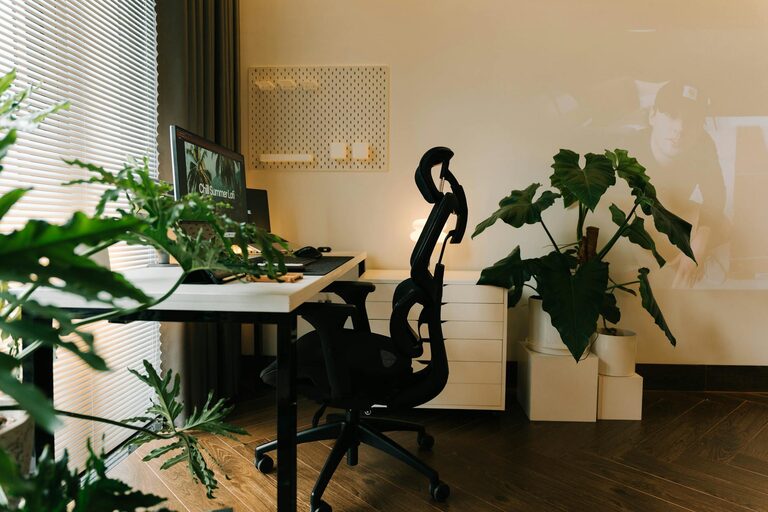
Creating a home office that feels both cozy and functional can greatly improve your work-from-home experience. Whether you have a dedicated room or a small corner in your living space, the right setup can help you stay focused, comfortable, and motivated throughout the day. In this post, we’ll explore practical tips to design a workspace that balances style and efficiency.
Choose the Right Location
Start by selecting a spot that minimizes distractions. If possible, pick a room with a door or a quiet corner where you can close off noise from the rest of the house. Natural light is a big bonus, as it improves mood and reduces eye strain. Facing a window or having ample daylight helps keep your energy up.
If natural light is limited, consider adding soft, adjustable lighting to avoid harsh glare. A desk lamp with warm light tones can make your workspace feel inviting and reduce fatigue.
Invest in Comfortable Furniture
Comfort is key for long hours at your desk. Choose a chair that supports good posture, ideally with adjustable height and lumbar support. Sitting comfortably helps prevent back and neck pain, making work less stressful.
Your desk should be the right size for your needs. It should accommodate your computer, keyboard, and any other essentials while leaving room to work comfortably. If space is tight, look for compact desks with built-in storage, or consider a standing desk option for better movement.
Organize with Purpose
A cluttered desk can lead to a cluttered mind. Use shelves, drawers, or desk organizers to keep items in order. Labeling boxes or folders can make it easier to find what you need quickly.
Try to limit the items on your desk surface to essentials. Having a clear workspace encourages creativity and keeps distractions at bay.
Personalize Your Space
Adding personal touches can make your office feel welcoming and inspire you to spend time there. Consider incorporating artwork you love, plants for a touch of greenery, or decorative items that bring you joy.
Plants are not only aesthetic but can also improve air quality and reduce stress. Choose low-maintenance varieties like succulents or pothos if you don’t have a green thumb.
Maintain Good Ergonomics
Proper ergonomics support long-term health. Position your monitor at eye level to avoid neck strain, and keep your keyboard and mouse within comfortable reach.
Your feet should rest flat on the floor or on a footrest. Avoid slouching by sitting back in your chair and using cushions or lumbar rolls if necessary.
Use Technology Wisely
Technology can boost your efficiency when used thoughtfully. Invest in a reliable internet connection and necessary peripherals like a good-quality headset or external keyboard.
Cable management tools help keep cords tidy and prevent tangling. Consider wireless devices to reduce clutter on your desk surface.
Create a Relaxing Atmosphere
In addition to functionality, your home office should be cozy. Add soft textures like a rug, cushions, or a throw blanket to warm up the space.
Consider the color scheme: soothing colors such as soft blues, greens, or neutral tones can create a calming environment. Avoid overly bright or distracting patterns.
Set Boundaries Between Work and Home
One challenge of working from home is balancing professional and personal life. Dedicate your home office to work only, if possible, and keep work materials out of living areas.
Establish routines like starting your day with a morning ritual and ending work by tidying your desk. This helps your brain switch between “work” and “home” modes.
Keep it Flexible
Your needs might change over time. Use modular furniture or storage that can be rearranged easily. Creating a flexible setup allows you to adapt to different tasks or work styles.
For example, you might add a small table for brainstorming or a cozy chair for reading and phone calls.
—
Designing a cozy and functional home office involves thoughtful choices about location, furniture, organization, and ambiance. With these tips, you can create a space that promotes productivity while making you feel at ease. Remember, your home office should be a reflection of what helps you work best and feel comfortable every day.