
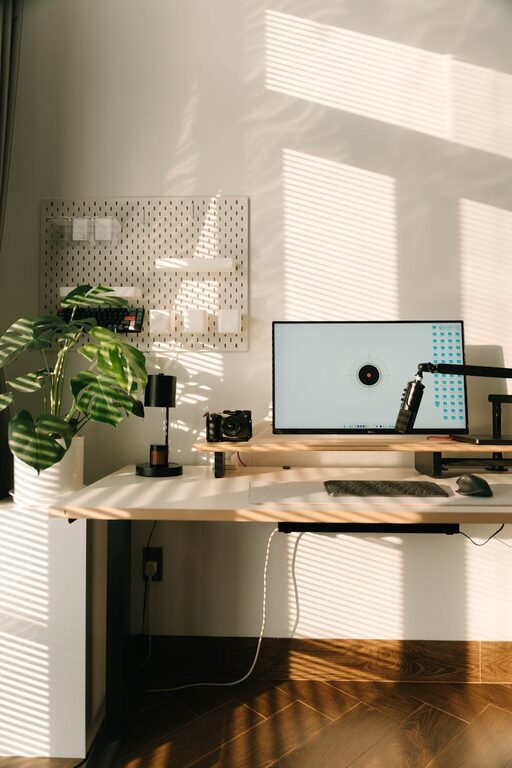
Working from home has become increasingly common, and having a well-designed home office can make a big difference in both your productivity and comfort. Whether you’re new to remote work or just looking to improve your current setup, creating a workspace that supports your daily tasks and wellbeing is essential. In this post, we’ll explore practical tips to help you design a productive and comfortable home office environment.
Choose the Right Location
Selecting the ideal spot for your home office is the first step in creating a successful workspace.
– Find a quiet area: Look for a part of your home with minimal noise and distractions, such as a spare room or a quiet corner.
– Consider natural light: If possible, position your desk near a window to take advantage of natural sunlight, which can improve mood and focus.
– Separate work from living spaces: This helps maintain boundaries between work and personal life, making it easier to switch off after work hours.
Invest in Ergonomic Furniture
Comfort plays a big role in productivity, so it’s important to invest in furniture that supports your posture and reduces strain.
– Ergonomic chair: Choose a chair with adjustable height, good lumbar support, and comfortable cushioning.
– Proper desk height: Your desk should allow your arms to rest comfortably at a 90-degree angle while typing.
– Footrest and accessories: If your feet don’t reach the ground, a footrest can help maintain proper posture. Also, consider a keyboard tray or monitor stand to position equipment at eye level.
Optimize Lighting
Good lighting reduces eye strain and helps keep you alert.
– Combine natural and artificial light: Use a blend of daylight and adjustable task lighting for the best effect.
– Avoid glare and shadows: Position your screen to prevent glare from windows or lights, and add a desk lamp for focused illumination.
– Use warm light in the evening: Consider softer, warmer lights later in the day to help transition out of work mode.
Organize Your Workspace Efficiently
A clutter-free environment can enhance your focus and reduce stress.
– Declutter regularly: Keep only essential items on your desk to maintain a clean workspace.
– Storage solutions: Use shelves, drawers, or filing cabinets to store documents and supplies neatly.
– Cable management: Organize cords with clips, ties, or cable boxes to avoid tangles and maintain a tidy appearance.
Set Up Technology Thoughtfully
Reliable technology is key to staying productive.
– Fast internet connection: Ensure your internet speed supports video calls and online collaboration smoothly.
– Multiple monitors: If your work involves multitasking, using more than one screen can increase efficiency.
– Quality peripherals: Invest in a good keyboard, mouse, and headset to improve comfort and effectiveness during long work sessions.
Personalize Your Space
Adding personal touches can make your home office feel welcoming and motivate you to spend time there.
– Incorporate plants: Indoor plants can improve air quality and create a calming atmosphere.
– Decorate with art or photos: Choose items that inspire or make you happy without creating distraction.
– Use color wisely: Soft, neutral tones are calming, while brighter colors can energize you — pick what suits your work style.
Establish a Routine and Boundaries
A comfortable space is just part of the equation; maintaining routines helps maximize productivity.
– Set work hours: Define clear start and end times to maintain work-life balance.
– Take regular breaks: Step away from your desk every hour to stretch and rest your eyes.
– Communicate boundaries: Let family or housemates know your work schedule to minimize interruptions.
Maintain Good Air Quality and Temperature
Staying comfortable physically affects your ability to focus.
– Ventilation: Open windows when possible or use an air purifier to keep the air fresh.
– Temperature control: Maintain a comfortable temperature with fans or heaters as needed.
– Humidity levels: Use a humidifier or dehumidifier to avoid dryness or excessive moisture.
Final Thoughts
Creating a home office that is both productive and comfortable doesn’t have to be complicated. By thoughtfully choosing your location, investing in ergonomic furniture, organizing your space, and setting clear routines, you can build an environment that supports your work and well-being. Remember, small changes can make a big difference, so start with what feels most manageable and adjust as you go.
With these tips, you can design a home office that helps you stay focused, energized, and comfortable throughout your workday. Happy decorating and productive working!