
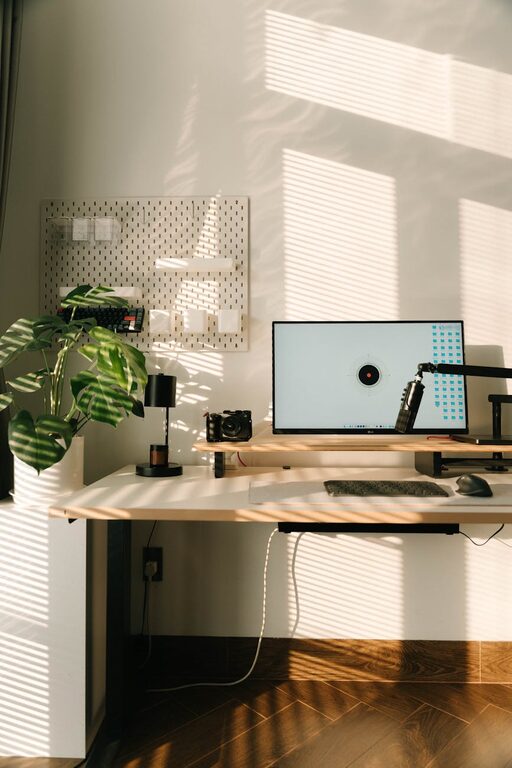
Creating an effective home workspace is essential for staying productive, focused, and inspired throughout your workday. Whether you work remotely full-time or just need a dedicated spot for personal projects, organizing your workspace correctly can make a significant difference to your performance and well-being.
In this post, we’ll explore practical tips to help you design and maintain a home office setup that promotes clarity, creativity, and comfort.
1. Choose the Right Location for Your Workspace
Where you set up your workspace can impact your ability to focus and feel motivated.
– Pick a quiet, low-traffic area: Try to avoid busy or noisy parts of your home where distractions are frequent.
– Natural light matters: Position your desk near a window if possible to enjoy daylight, which can boost mood and reduce eye strain.
– Separate work from relaxation spaces: Having a distinct boundary between work and leisure helps your brain switch modes more effectively.
2. Invest in Comfortable and Functional Furniture
Your furniture plays a vital role in how long and how well you can work without discomfort.
– Ergonomic chair: Choose an adjustable chair that supports your posture and reduces strain.
– Spacious desk: Ensure your desk has enough surface area to hold your essentials without clutter.
– Adjustable height options: If possible, pick a desk or accessories that allow you to sit or stand during work to enhance circulation and comfort.
3. Keep Your Workspace Organized and Clutter-Free
A cluttered desk can lead to a cluttered mind. Organizing your workspace helps increase focus and reduces stress.
– Use organizers and storage: Drawer units, trays, or containers keep supplies tidy and within reach.
– Limit what’s on your desk: Keep only essentials on your desktop to maintain a clean look.
– Regularly declutter: Set aside a few minutes each day or week to tidy up and remove unnecessary items.
4. Personalize Your Space to Inspire Creativity
A workspace that reflects your personality can make work more enjoyable and stimulate creative thinking.
– Add plants: Greenery improves air quality and brings a fresh, calming vibe.
– Incorporate art or photos: Favorite images or artwork can boost motivation.
– Choose colors thoughtfully: Soft, neutral colors promote calmness, while brighter accents can energize your mind.
5. Optimize Lighting to Reduce Eye Strain
Proper lighting can prevent headaches and increase focus.
– Combine natural and artificial light: Use daylight when available and supplement with warm desk lamps.
– Avoid glare: Position screens and lights to minimize reflections.
– Adjust brightness as needed: Use dimmable lights or different sources to adapt to the time of day and task.
6. Minimize Digital Distractions
Technology is useful but also a common source of distraction.
– Use apps to block distractions: Consider tools that limit access to social media or unnecessary notifications during work hours.
– Organize digital files: Keep your desktop and folders tidy so you can find files quickly.
– Set boundaries for device use: Designate times to check emails and messages instead of constant monitoring.
7. Incorporate Break Zones or Movement Areas
Taking regular breaks and moving around enhances creativity and productivity.
– Set up a small break space: A comfortable chair or cushion for stretching can help your mind reset.
– Use standing desks or adjustable setups: Alternating between sitting and standing reduces fatigue.
– Incorporate small exercises: Simple stretches or posture adjustments keep you energized.
8. Establish a Routine and Maintain Your Workspace
Consistency and upkeep nurture long-term productivity.
– Define work hours: Starting and finishing at set times maintains balance.
– Clean your workspace daily: Making your area neat before finishing work helps you start fresh the next day.
– Review and adjust: Regularly assess what works well and what needs improvement in your setup.
—
By applying these tips, you can create a home workspace that not only supports your focus and efficiency but also encourages creativity and well-being. Remember, your space should adapt to your evolving needs and preferences—keep experimenting until you find the perfect balance. Happy organizing!